Meet the Crew Behind Pest Control in Anchorage, AK
Why We Built Alaska Pest Pros Here
We started Alaska Pest Pros because Alaska buildings behave differently than the textbook examples. Long winters push mice and rats indoors for months, and tightly sealed homes hide entry points until droppings show up near the pantry. Daniel Mercer spent years in Anchorage learning where those gaps actually are foundation vents, utility chases, garage door sweeps before hanging our own sign.
We are an Alaska-certified pesticide applicator, insured and bonded, and a National Pest Management Association member. What customers hire us for is straightforward: we inspect carefully, show you the evidence we find, and recommend a targeted treatment plan instead of a one-size-fits-all spray. That means respecting occupied spaces, scheduling around weather, and coordinating regional visits across the state so rural customers are not forgotten after the first call.
Pest control in Alaska is seasonal work. We plan for it treating carpenter ants before spring swarms, sealing rodent entry points before the first hard freeze and we explain why the timing matters. That habit of showing our work is what keeps calls coming back.
The People Who Knock on Your Door
Daniel Mercer, founder of Alaska Pest Pros, puts it plainly: “I started in pest control in Anchorage, where long winters and tightly sealed buildings make rodent entry points and seasonal pest activity important to address early. I built my trade experience here and shaped the business around clear inspections, careful treatment, and practical prevention suited to Alaska homes and buildings.”
The team coordinates inspections and treatments from Anchorage and plans statewide visits around regional access, weather, and customer needs. A trip out to the Mat-Su Valley or the Kenai Peninsula gets scheduled with the same care as a job five blocks from the office road conditions and freeze timing decide the calendar, not convenience.
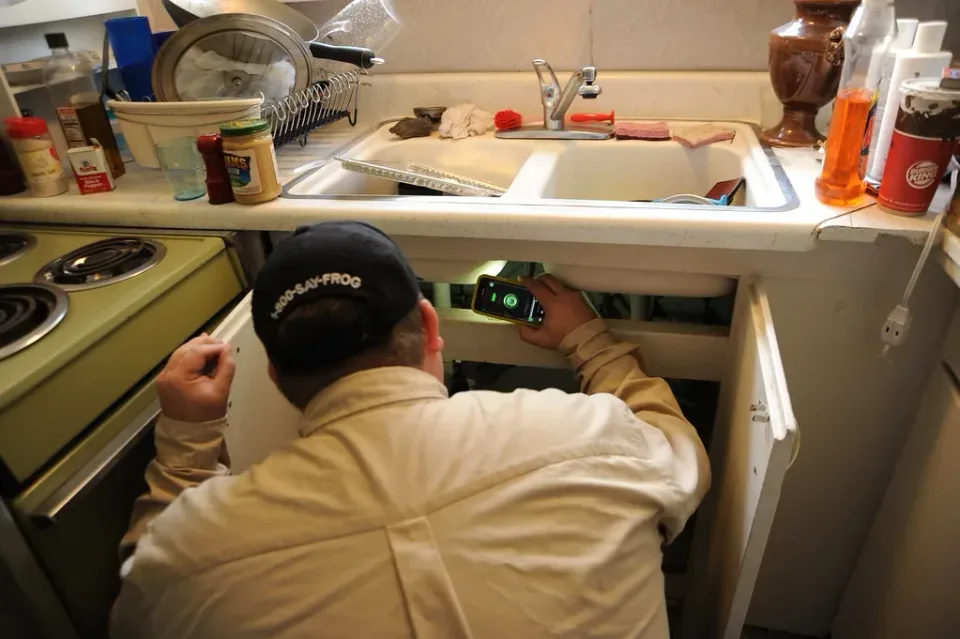
Technicians here do one thing first: explain what they find. You will hear where the droppings were, which gaps need exclusion work, and what the targeted next steps are before anyone opens a treatment bucket. We keep customers informed from scheduling through follow-up, because a homeowner who understands the evidence makes better prevention decisions after we leave.
That is the whole formula. Practical pest control across Alaska, delivered by people who live with the same seasons you do.
Signs We Get Called About Most
Most calls start the same way: something a homeowner noticed, worried over, and finally decided to check. These are the situations that bring people to us:
-
Scratching sounds inside walls at night: rodents travel wall cavities after dark, and by the time you hear them, entry points are already established.
-
Mouse droppings near pantry shelves: a health signal, not just a nuisance food storage areas are where contamination spreads first.
-
Ant trails around kitchen windows: scout ants mark a food source, and the trail only grows once the colony locks in.
-
Bed bug bites after sleeping: bites often appear days before any bug is spotted, so early identification matters.
-
Wasps entering through roof gaps: a nest inside a soffit grows quietly all summer until traffic becomes constant.
-
Silverfish near bathroom drains: moisture-loving pests point to humidity conditions worth fixing too.
-
Moths emerging inside stored-food cupboards: pantry moth infestations spread through flour, cereal, and pet food before you see a single adult.
We get these calls from Turnagain duplexes to cabin rentals outside Fairbanks. Whatever the setup, the first step is the same: a careful look at the evidence before we recommend anything.
How We Run Every Job
Every treatment we apply follows the EPA-approved product label no exceptions. That is the rule that governs application rates, target sites, and reentry intervals, and it is the backbone of how we work under FIFRA.
Our licensing runs through Alaska pesticide regulations under 18 AAC 90, with applicator requirements set by AS 46.03.320 and oversight from the Alaska Department of Environmental Conservation. We follow the OSHA Hazard Communication Standard (29 CFR 1910.1200) for handling products safely on site, and we stay current with guidance from the EPA and the Anchorage Department of Health. When wildlife is involved a bat colony in an attic or squirrels in a crawlspace Alaska Department of Fish and Game take rules and the Migratory Bird Treaty Act shape what we can do and when, so exclusion timing gets planned around it.
One detail out-of-town contractors miss: Alaska’s short treatment window. Products applied in freezing conditions to exterior foundations simply do not perform, so we sequence exterior work for the warm months and shift to exclusion and interior work in winter.
The process stays the same either way. Inspect, document, explain, treat, and follow up in that order.
Talk It Through With Us First
If you are hearing scratching or finding droppings, a short call now usually prevents a bigger problem later. Reach Alaska Pest Pros at (855) 681-0299 or email info@alaskapestpros.top describe what you have seen, and we will tell you what an inspection would cover and what it typically costs.
No pressure, no obligation. Sometimes the right answer is a prep tip you can handle yourself before we ever pull up. We are glad to help with that too.
Discuss Pest Control in Alaska
Share your job scope for pest control in Alaska — we will review fit and pricing before scheduling.